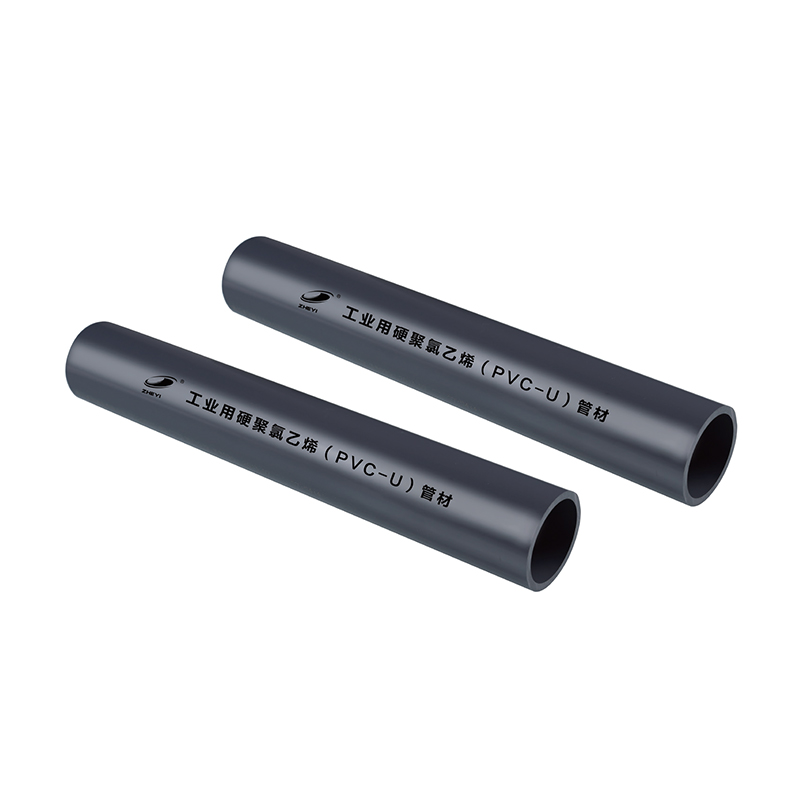
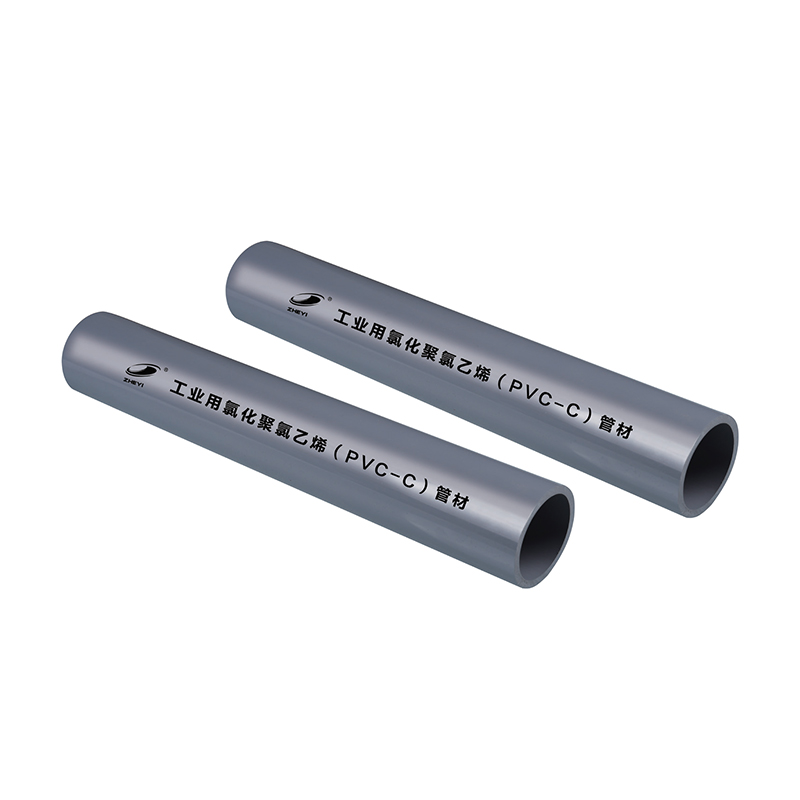
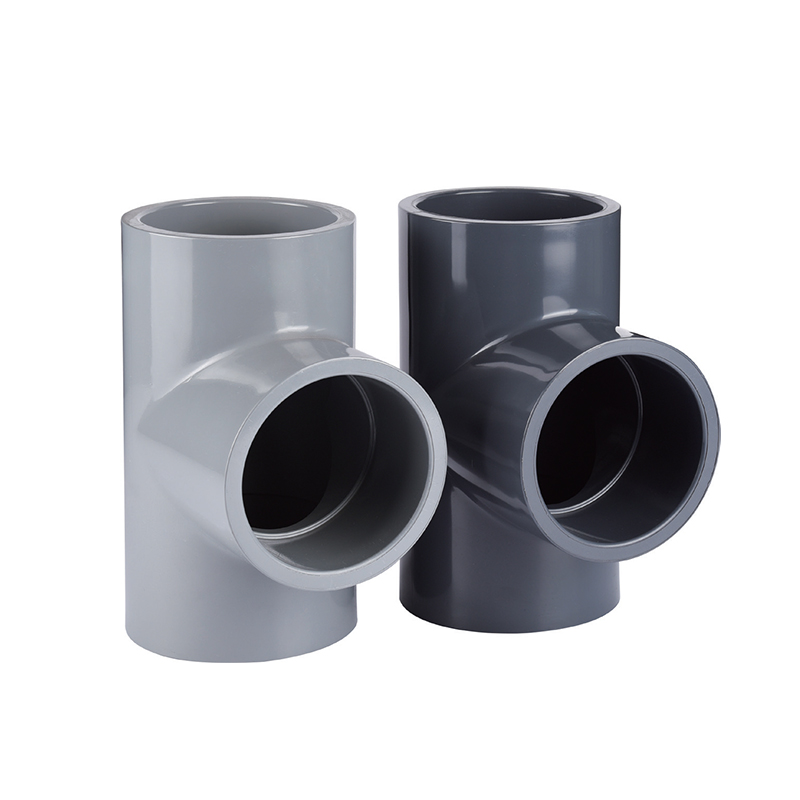
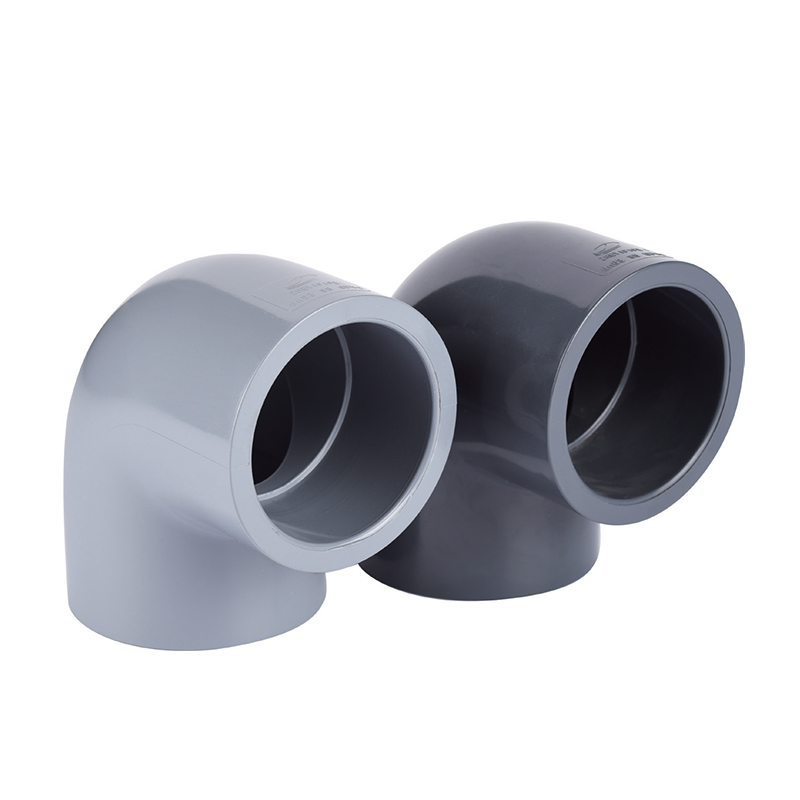
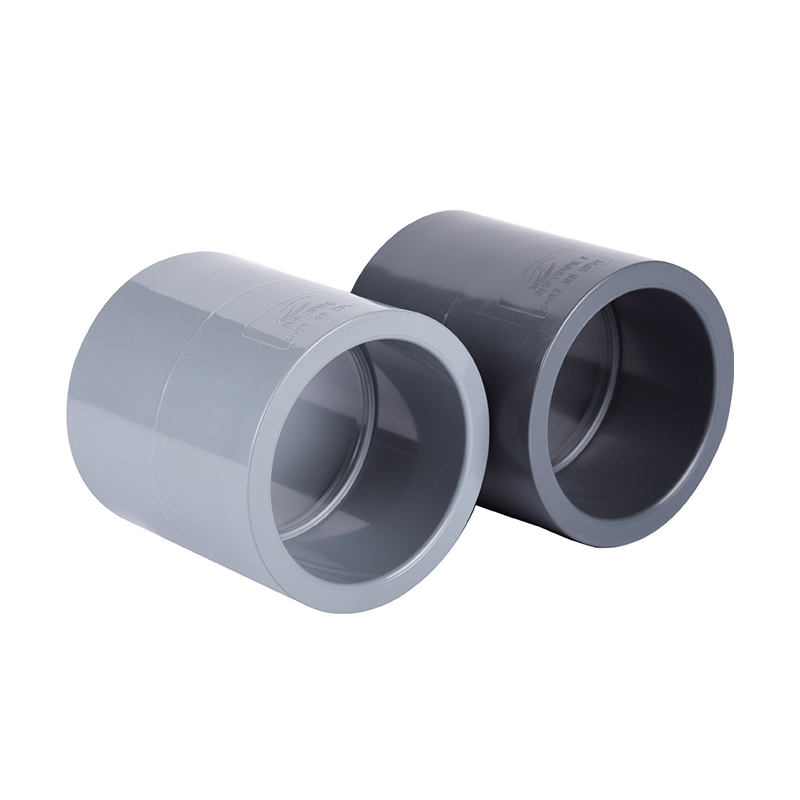
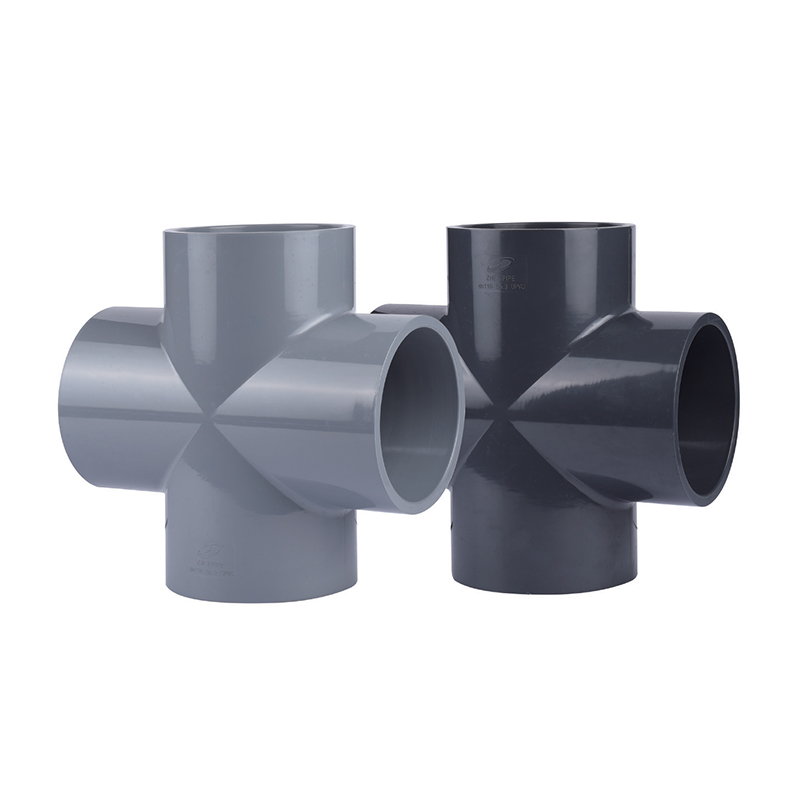
No mundo da tubulação termoplástica, selecionar o material correto para o manuseio de fluidos é uma decisão crítica de engenharia que determina a segurança e a longevidade de um sistema. Para aplicações residenciais e industriais, a escolha geralmente se restringe a dois polímeros: Cloreto de Polivinila (PVC) e Cloreto de Polivinila Clorado (CPVC). Embora pareçam semelhantes, o desempenho de um válvula de abastecimento de água cpvc difere significativamente de sua contraparte de PVC devido a estruturas moleculares distintas. O Grupo ZHEYI, fundado em 2007, passou quase duas décadas dominando a pesquisa e desenvolvimento e a fabricação de dutos industriais de CPVC e UPVC de alto desempenho. Com status de empresa nacional de alta tecnologia e certificações, incluindo ISO9001 e Licença de Produção de Equipamentos Especiais, nosso grupo fornece o conhecimento técnico necessário para tratamento avançado de água e transporte de produtos químicos. Compreendendo o válvula de abastecimento de água cpvc e suas vantagens funcionais são essenciais para qualquer projeto profissional de encanamento ou industrial.
1. Resistência térmica e classificações de temperatura
A divergência técnica mais significativa entre estas duas válvulas é a sua capacidade de lidar com o calor. Uma válvula de PVC padrão é estritamente limitada a aplicações de água fria, geralmente perdendo integridade estrutural acima de 60°C (140°F). Em contrapartida, o classificação de temperatura para válvulas de abastecimento de água cpvc estende-se até 200°F (93°C), tornando-o a escolha obrigatória para linhas de distribuição de água quente. Essa resiliência térmica é alcançada através de um maior teor de cloro no polímero CPVC, o que proporciona uma maior temperatura de transição vítrea. Quando comparando válvula CPVC vs PVC para água quente , usar uma válvula de PVC em uma linha de alta temperatura pode causar amolecimento do corpo da válvula e eventual falha de ruptura. Portanto, para qualquer sistema que envolva caldeiras ou esquentadores, o melhor válvula cpvc para linhas de água quente deve ser utilizado para garantir a conformidade com os códigos de construção locais.
Comparação de desempenho térmico
- Limitações do PVC: Usado principalmente para irrigação, drenagem e redes de água fria.
- Capacidades de CPVC: Projetado para fornecimento de água potável quente e fria, bem como para transporte de fluidos industriais em alta temperatura.
| Propriedade material | PVC (não plastificado) | CPVC (Clorado) |
| Temperatura operacional máxima | 140°F (60°C) | 200°F (93°C) |
| Condutividade Térmica | Mais alto (menos isolante) | Inferior (melhor retenção de calor) |
| Adequação da aplicação | Apenas água fria | Água Quente e Fria |
2. Resistência Química e Composição do Material
Além da temperatura, a interação química do material da válvula com a água tratada ou fluidos industriais é fundamental. A estrutura molecular do CPVC permite-lhe resistir à degradação causada pelos elevados níveis de cloro frequentemente encontrados na água potável municipal. Isso faz válvula de abastecimento de água cpvc chemical resistance superior em ambientes que envolvem ácidos, bases e sais. Por exemplo, o válvulas de água cpvc resistentes à corrosão fabricados pelo Grupo ZHEYI são amplamente utilizados nas indústrias química, fotovoltaica e de semicondutores. Embora o PVC seja excelente para águas residuais em geral, o CPVC é preferido para sistemas industriais de abastecimento de água cpvc onde é necessária água ultrapura ou água de qualidade eletrônica. Além disso, o benefícios do uso de válvulas cpvc em encanamentos residenciais incluem uma superfície interna mais lisa que resiste ao acúmulo de incrustações e à formação de biofilme de forma mais eficaz do que o PVC ao longo do tempo.
Sequência Química e Estrutural
- Processo de Cloração: O CPVC sofre uma reação de cloração que substitui alguns átomos de hidrogênio por cloro, aumentando sua inércia química.
- Manuseio de pressão: Ambos os materiais oferecem classificações de alta pressão, mas válvula de abastecimento de água cpvc pressure ratings são mais estáveis em temperaturas elevadas.
- Segurança da Água Potável: O CPVC é frequentemente certificado para padrões de pureza mais elevados, correspondendo às licenças sanitárias relacionadas à água da ZHEYI.
3. Requisitos de instalação e cimento solvente
Um detalhe técnico crítico frequentemente esquecido é o processo de instalação. Embora ambas as válvulas sejam unidas com cimento solvente, os primers químicos e os cimentos não são intercambiáveis. Como instalar uma válvula de abastecimento de água cpvc requer um cimento específico laranja ou cinza resistente formulado para a resina de CPVC. Usando cimento de PVC em um válvula de abastecimento de água cpvc resultará em uma ligação fraca que falha sob pressão. Além disso, o tamanhos padrão para válvulas de abastecimento de água cpvc geralmente são baseados no tamanho do tubo de cobre (CTS), enquanto o PVC normalmente segue as programações de tamanho do tubo de ferro (IPS). Isto significa que os diâmetros externos são diferentes, necessitando de acessórios de transição especializados quando substituindo uma válvula de pvc por uma válvula de cpvc em um sistema de materiais mistos.
| Fator de instalação | Sistema de válvula de PVC | Válvula de abastecimento de água CPVC Sistema |
| Tipo de cimento solvente | Cimento PVC (geralmente transparente/azul) | Cimento CPVC (geralmente laranja/cinza) |
| Padrão de dimensionamento | IPS (tamanho do tubo de ferro) | CTS (tamanho do tubo de cobre) ou IPS |
| Requisito de primer | Primer Roxo Padrão | Primer específico compatível com CPVC |
Conclusão: Selecionando o benchmark para desempenho
Em conclusão, embora o PVC continue a ser uma excelente escolha para drenagem e irrigação à temperatura ambiente, o válvula de abastecimento de água cpvc é a referência indiscutível para água quente pressurizada e aplicações industriais exigentes. Seus limites térmicos superiores, resistência química e pureza o tornam essencial para encanamentos residenciais modernos e tubulações industriais. No Grupo ZHEYI, aderimos aos valores fundamentais de "Excelência e Integridade", utilizando ferramentas avançadas e matérias-primas da Alemanha e da América para garantir que nossos dutos de pressão não metálicos atendam aos mais altos padrões globais. Ao escolher o certo válvula de abastecimento de água cpvc , você está investindo em uma tecnologia sustentável e de alto crescimento que garante segurança e eficiência nas próximas décadas.
Perguntas frequentes (FAQ)
1. Posso usar uma válvula de PVC para uma linha de água quente?
Não. O PVC não é classificado para temperaturas acima de 140°F. Para água quente, você deve usar um válvula de abastecimento de água cpvc , que é classificado para até 200°F.
2. Existe alguma diferença válvula de abastecimento de água cpvc chemical resistance comparado ao PVC?
Sim. O CPVC possui maior teor de cloro, o que proporciona melhor proteção contra os efeitos corrosivos da água municipal altamente clorada e de vários produtos químicos industriais.
3. Qual é o melhor válvula cpvc para linhas de água quente em um prédio alto?
Para aplicações em arranha-céus, procure um válvula de abastecimento de água cpvc com classificações de alta pressão e um design CTS (tamanho do tubo de cobre) que atende aos códigos nacionais de construção e segurança.
4. Como instalar uma válvula de abastecimento de água cpvc corretamente?
Certifique-se de usar cimento solvente especificamente rotulado para CPVC. As superfícies devem ser limpas e preparadas, e a junta deve curar pelo tempo recomendado antes do teste de pressão.
5. São tamanhos padrão para válvulas de abastecimento de água cpvc o mesmo que PVC?
Nem sempre. O CPVC usado em encanamentos residenciais geralmente segue o tamanho do tubo de cobre (CTS), que tem um diâmetro externo diferente do tamanho do tubo de ferro (IPS) comumente usado para PVC.
Referências da indústria
- ASTM D2846: Especificação padrão para sistemas de distribuição de água quente e fria de plástico CPVC.
- ISO 9001:2015: Sistemas de Gestão da Qualidade — Requisitos para Fabricação de Dutos.
- Centro Técnico do Grupo ZHEYI: "Análise Comparativa de Expansão Térmica em Dutos Industriais de CPVC e UPVC" (2024).
- NSF/ANSI 61: Componentes do sistema de água potável - efeitos na saúde.
 +86-15258772971
 dinys009@163.com